Key Points
- Fertilization is critical in the spring season due to rapid growth.
- In summer heat, plants need lots of water.
- Aeration and overseeding keep lawns healthy in the fall season.
- Protect your lawn from snow in winter.
- TG’s Landscaping offers the best care for lawns.
Introduction
Do you want a beautiful yard? Gardens make a house look fantastic. Beautiful lawns create a positive vibe. However, in the modern era, no one has time to look after the yard.
The weather changes fast. There are new challenges every season. Winter is brutal due to snow and ice falling on plants. Summer brings scorching heat that evaporates all the water. Your lawn demands attention. Let’s explore how to care for your lawn and make it wonderful.
Impact of Climate Change on a Garden
Connecticut has four clear seasons. Every one of them takes a toll on your lawn in a unique way. The rain and sun of spring help grass grow fast. But it also rouses weeds and bugs. The heat and dry days of summer are brutal because the grass gets brown. It can dry out and die.
Autumn is a season of plenty of rain. At this time, the grass grows well. But again in the winter, grass growth stops due to snow. Snow can cause enormous damage.
The weather changes often; some weeks are hot, others wet or windy. Your lawn responds to all those changes. That’s why you should take care of it according to each season.
Common Lawn Problems in Connecticut
Deep weeds grow fast, tall, and in-depth. Insects eat the roots. There are some patches of brown grass in the dry spots. Mold can develop after extended wet weather. The plants can freeze under heavy snow. Sometimes, people cut the grass too short. They apply excessive water. That can also harm the lawn.
Spring Lawn Care in Connecticut
1. Cleaning Up After Winter
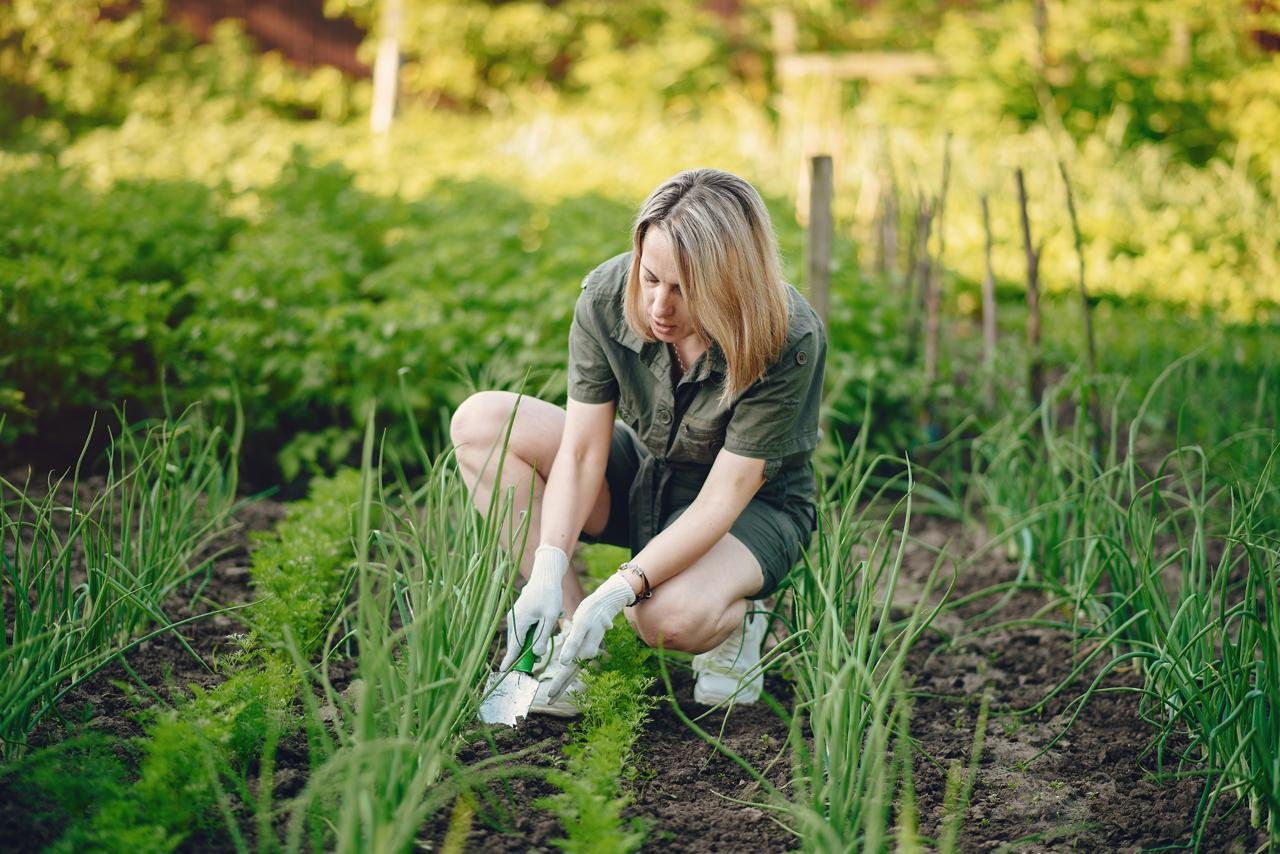
Start with a good cleanup. Clear out sticks, branches, and dead grass. Rake the yard to loosen the soil for airflow. Air makes new grass grow quickly. Check for thin or bare spots. Don’t neglect the walkways or edges, either.
The grass near the parking areas or roadways may be damaged by salt. These areas should be washed with water. Prune damaged or broken tree branches and ones from neighboring trees. A clean yard allows sunlight and air to enter everywhere across the lawn.
2. Fertilizing and Overseeding
Fertilizer gives your lawn food. It helps the roots to make a good start in spring. Use a slow-release type. This means the roots get the fertilizer after short time spans. Plant new seeds. Water them regularly. The grass will become strong and green.
3. Weed and Pest Prevention
Use weed control products in spring, as weeds are common in CT. Stop them before it takes over. Find out if there are any grubs in the garden. Grubs harm the roots of the grass. Use a safe product to control grubs. Healthy soil keeps bugs away.
Summer Lawn Maintenance
1. Watering Practices
Watering early morning keeps the grass from getting hot when the sun comes. Do not water in the evening. Wet grass contributes to the growth of fungus. Water your lawn until the top inch of the soil becomes wet.
2. Managing Insects
Summer is bug season. Keep an eye on chinch bugs and ants. They make yellow patches in the grass. Use safe insect prevention if you see them. Some homeowners attract ladybugs to their yard as they eat harmful bugs. A strong lawn will control pests.
Fall Preparation for Lawn
1. Aeration and Overseeding
Aeration means creating small holes in the soil. This implies that water and nutrients can go deep into the ground. You can rent an aerator or hire a lawn care specialist.
After aerating, lay down fresh grass seeds. Overseeding fills in thin spots. Water regularly until the new grass thickens.
2. Fertilizing Before Winter
Feed your lawn again before winter. Fall fertilizers help roots store food for the cold months. It also maintains its green color longer. Use a mixture that is for fall seasons. It will help to strengthen the roots for better growth next spring.
3. Leaf Cleanup and Mulching
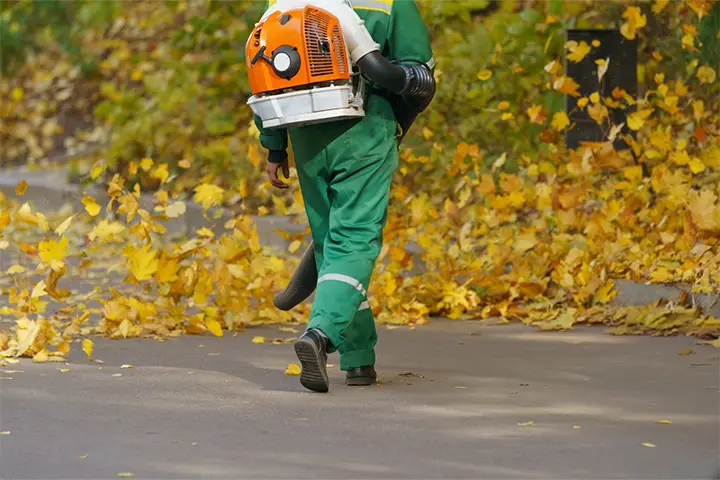
Keep the leaves raked up when they fall. Thick foliage blocks sunlight and air, which can be fatal to the grass underneath. You can mulch the leaves, too. Mulching breaks leaves into pieces that mix into the soil. Their decomposition provides nutrients to the grass.
Winter Lawn Care
1. Avoiding Soil Compaction
Do not walk on frozen grass, as it damages the roots beneath the earth. The pressure of your step packs the soil too tightly. This happens when you walk on grass covered with snow. This compacts the soil and seals off the roots from air and water. Pets and heavy tools should also stay off the lawn. Allow the ground to rest.
2. Manage Snow and Ice Damage
Shovel driveways and walkways with care and don’t toss piles of snow onto the lawn. It can crush the grass. Avoid using excessive salt, as it can burn the grass. Salt is a strong enemy of the soil. Sprinkle with either sand or pet-safe ice melt products. They keep the area clear of hazards without harming your lawn.
3. Prepare for Early Spring Growth
As winter draws to a close, survey the yard. Remove debris and salt again. The snow must melt completely before you start walking on the lawn. You must plan for spring tasks such as fertilizing and pest control. This way, when warm days arrive, your lawn wakes up healthy.
Expert, Healthy Lawn Care Assistance with TG’s Landscaping
At TG’s Landscaping, our team is well aware of local conditions. We are well aware of the soil conditions and their demands. We take care of the grass according to the weather. Our crews know how to take care of the lawn. We use the finest tools and care for every season.
We do it all, from spring cleanup to fall aeration. Your lawn becomes thick and green with our grass care tips for Connecticut homeowners. We also prepare your yard for winter, so it remains strong. We keep your outdoor area safe, attractive, and vibrant.
If you are interested in seasonal lawn maintenance in Connecticut, then please call TG’s Landscaping. Let our devoted team help you.
Frequently Asked Questions
1. When does grass need fertilization?
Use fertilizer on a lawn twice in twelve months. During the spring season and then the fall season. This makes the grass healthy.
2. Can I cut my grass short in summer?
No. The grass must be tall enough to protect the soil. Tall grass traps moisture. Mow only one-third of its height. Utilize sharp blades, so the grass looks neat.