Lawns are not something that you can neglect for weeks and expect them to bloom in spring. They require time and effort. Get ready for some intense work because Connecticut’s winters are near.
Winter brings damaging elements such as snow and freezing temperatures. The lawns need winterization to stay safe. Do you want to maintain your lawn green, healthy, and growing?
Read this easy blog on how to winterize your lawn. We’ll go through everything you need to do to get your lawn ready for the upcoming cold months.
1. Mow Your Lawn One Last Time
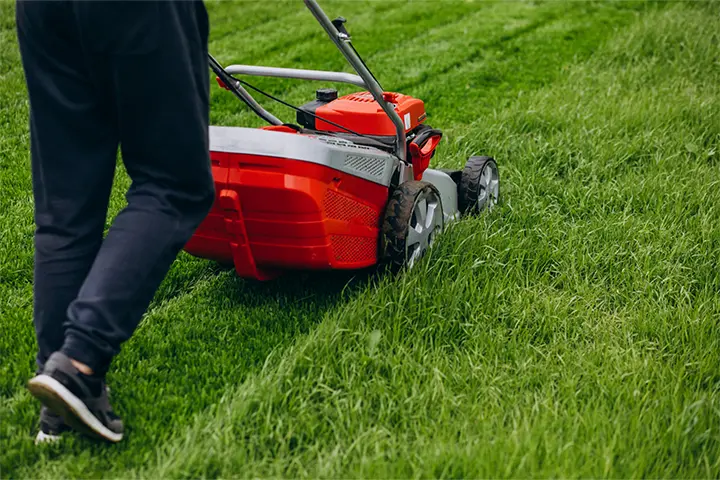
This has to be top of your to-do list about how to winterize your lawn. Make sure to give your lawn one final mow before the first frost arrives. If you skip it, it’ll be a huge burden later on. Cut the grass shorter than normal, but not too short. It can be between two and two and a half inches tall.
Cutting your grass shorter eliminates the chance of fungal diseases. Plus, it prevents grass from matting under snow. Trimming the grass too small can be unhealthy, so you must avoid doing so. For the grass to remain healthy throughout the winter, it must be long enough.
On the other hand, overgrown grass can get overly damp. It contributes to mold growth.
2. Rake the Leaves
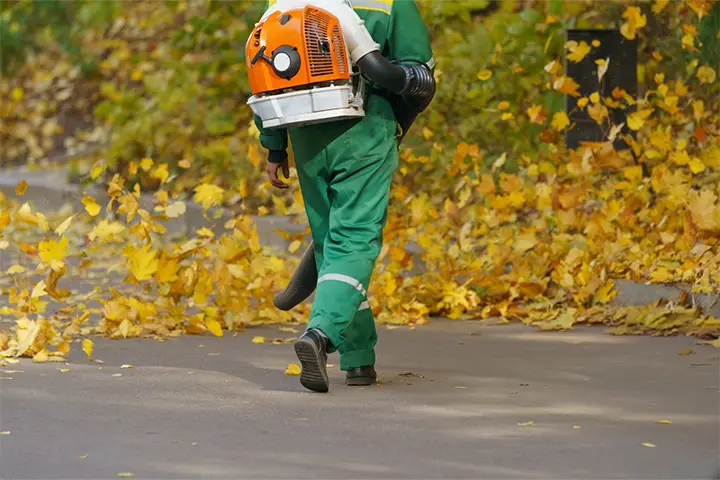
Leaves can cause issues if they are left on your yard throughout the winter season. People love to take photos and enjoy the aesthetics when the leaves fall. However, it’s not something that your lawn loves. The lawn can become suffocated. It will not receive the nutrients it requires if a thick layer of leaves covers it.
Leaves block sunlight from reaching the grass. Remove the leaves from your lawn before the winter snowfall begins.
If snowfall has already started, it will be a huge hassle. The leaves can trap moisture. It supports the growth of mold. Fungi will harm your grass and hinder its ability to regrow in spring.
3. Give the Lawn Some Air
One of the most important parts of lawn winterizers is aeration. The water, air, and nutrients must reach your grass’s roots, and this is possible with aeration. Make tiny holes in the soil to bring air inside. The soil gets compacted following summertime foot traffic and mowing activities.
You have to break down the compacted soil by aeration. Let the roots of your grass spread out and remain healthy.
To make the job easier, get a lawn aerator. It is a special machine used for aeration.
You can hire a landscaping company to do it for you, or you can rent one from a nearby store. It’s highly recommended to aerate your lawn once a year in the fall.
4. Apply Fertilizer to Your Lawn
Here is one of the most useful things you can do for your lawn: fertilize it in the fall. Your grass will go into a dormant phase in the winter. If you supply it with excessive nutrients, it will show better growth later. Fertilization supports strong and healthy growth in the spring.
Choose a lawn winterizer fertilizer with a high potassium content. Potassium increases the strength and depth of the grassroots. It increases the lawn’s resistance to cold. The ground can freeze around October or November, so fertilize it before this occurs. The winterizing fertilizer for the lawn needs a few days to penetrate the ground and reach the roots.
5. Spread Extra Seed on Your Lawn
Do you know about overseeding? It means planting grass seed over your current lawn. This is highly beneficial if there are bare or thin patches in your lawn. When you add extra seeds, the new grass fills in these spaces. It will grow and give your garden a full appearance.
The ideal time to overseed is in late fall. In this season, the soil is slightly warm, allowing the seeds to germinate. Find out the grass seeds that are suitable for the climate.
6. Water Your Lawn Before Winter
Your lawn will need much less water during winter due to low temperatures. Due to this, people often stop watering the lawn in the fall. It’s the biggest mistake. The grassroots need moisture content to stay safe in winter.
Make sure the roots are hydrated, allowing them to withstand the cold. It is best to water your lawn before the freezing season. The grass needs time to dry out before the temperatures drop at night, so it’s best to water in the morning.
7. Clean up and Edge the Lawn
Do you desire a healthy lawn? You must spend some time cleaning the area around your lawn. It’s one of the things on your to-do list before winter arrives. It includes cleaning your garden tools and winterizing lawn equipment, and collecting debris.
During fall, branches can fall, so remove them quickly. Cut off any extra edges for a better look. Use an edger as it gives a tidy appearance to the lawn. If you put in effort to clean the lawn in the fall, you will stay away from pests.
8. Protect Against Snow Mold
Snow mold can grow under the snow on your lawn. This is a type of fungus. It happens when snow collects on the lawn for a long time. It traps moisture beneath it.
Your lawn should not have leaves and other debris before the snowfall. It is paramount to prevent snow mold. Avoid a lot of foot traffic on your lawn in the winter. It can cause prolonged damage to the grass blades.
9. Get Expert Assistance
It’s always worth it to get professional assistance because winterizing your lawn can be a lot of work. If you want to ensure everything is done flawlessly, this is the best decision. These tasks may require some modern tools and expert knowledge.
Wrap Up!
Anyone who wants a healthy lawn in the spring season must prepare it in the fall. Your lawn’s health is your responsibility. Your efforts guarantee that the garden will look well in the spring. It’s possible to prevent damage to your lawn by following all the given tips.
Get your lawn ready for winter’s challenges. It will look healthy and fresh in the spring. TG’s Landscaping provides skilled lawn care services in Connecticut. If you don’t have sufficient time to maintain and winterize your lawn, get our help. Our staff ensures that your lawn is healthy in all seasons. Contact us right now!
Frequently Asked Questions
1. When to winterize the lawn?
Winterizing should be done in late fall, ideally before the first frost, around October or November.
2. How short should I mow my lawn before winter?
Mow your lawn to a height of about 2 to 2.5 inches.
3. What is the best fertilizer for fall lawn care?
Find out a fertilizer high in potassium. It supports the grassroots to grow deep and strong.