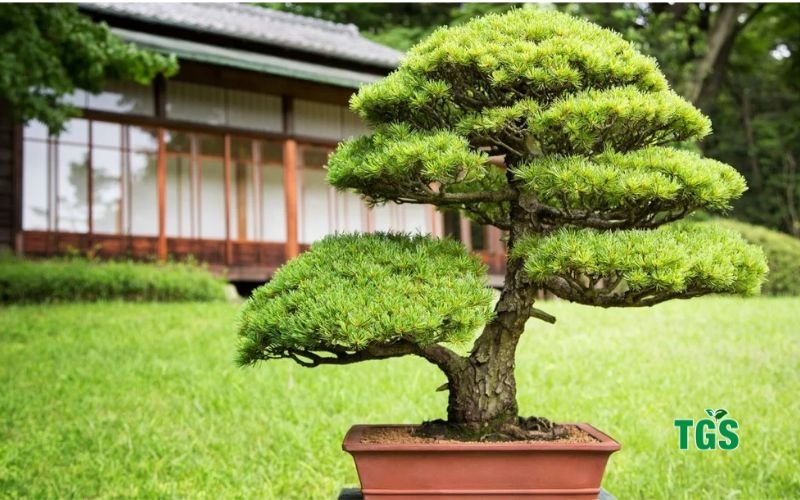
Juniper bonsai tree is a massive and well-known type of tree across the globe due to its vitality of green leaves, appealing looks, and flexibility. Its robust constitution makes juniper extremely popular with the beginner and the skilled bonsai artist.
The art of maintaining a Juniper bonsai marine can give you a living artwork that can endure in history, which will last decades, whether you intend a serene centerpiece indoors or a dramatic specimen out of the home.
This is a guide to what you should know about what are ideal growing conditions, how to prune your bonsai tree, how to fertilize and style your bonsai, and how to have a healthy tree that is beautiful throughout the year.
1. Selecting the Right Juniper Bonsai
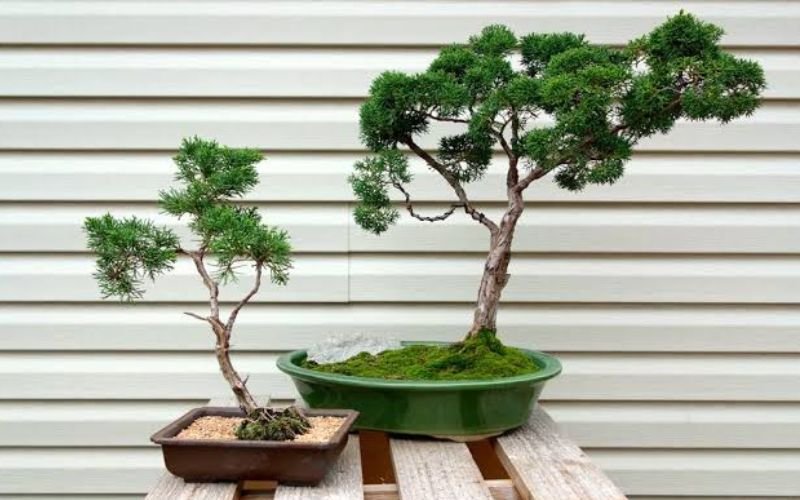
In choosing a Juniper tree, you should pick a healthy plant with good roots and green foliage. The easiest way is to buy from a bonsai nursery, or you can start with a young tree.
The junipers have many types, such as Chinese juniper and Japanese Garden Juniper. Choose it depending on your climate and according to the style you want.
2. Potting and Soiling
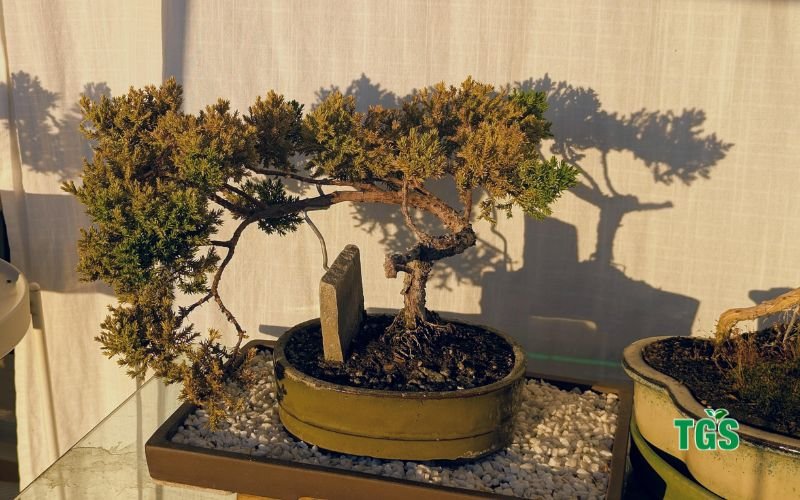
The soil of a Juniper bonsai tree must be well-drained yet retain some water. One of the primary combinations is between akadama, pumice, and lava rock.
A good drainage system will ensure that roots do not rot. Repotting of young trees after every two years is also necessary to refresh the soil and to check the health of the tree roots.
Based on the growth, the old trees generally require repotting every 3 to 5 years.
3. Watering your Juniper Bonsai
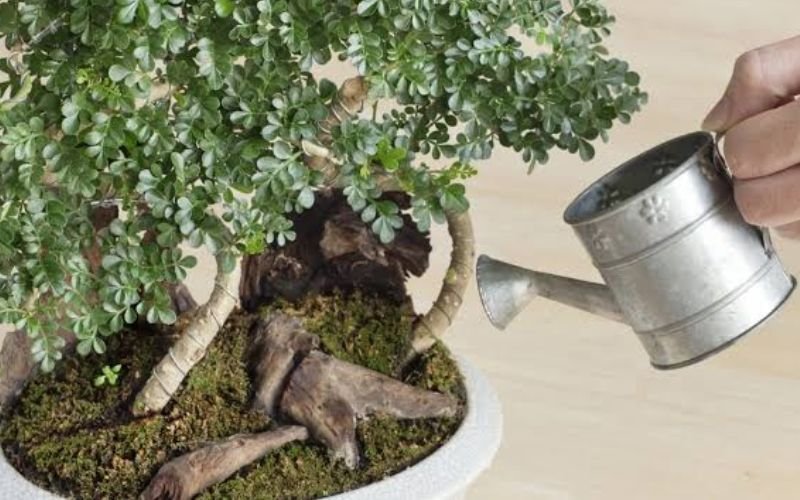
Watering is a very essential part of Juniper bonsai care. Keep soil slightly damp and not waterlogged. Water when the surface of the ground dries. Water thoroughly until extra water flows from the bottom of the pot.
In summer, you should water your bonsai daily. Water less during the winter, but never allow the soil to dry.
4. Fertilizing and Feeding
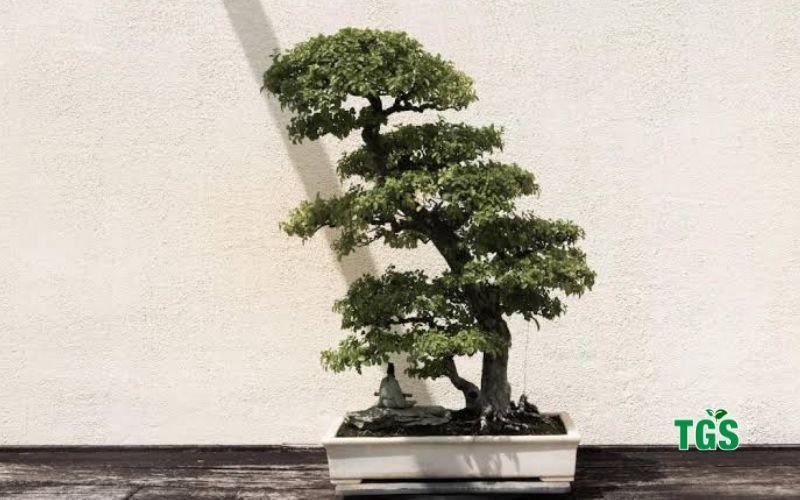
A healthy Juniper bonsai should be regularly fertilized to promote the healthy growth of the tree. Apply a balanced bonsai feed once in two weeks in the spring and summer seasons. Feed once a month in the fall. Do not feed during the wintertime, when the tree is dormant.
The organic fertilizers slowly release nutrients, thereby being favorable in gradual growth, other than scorching the roots.
5. Pruning and Trimming
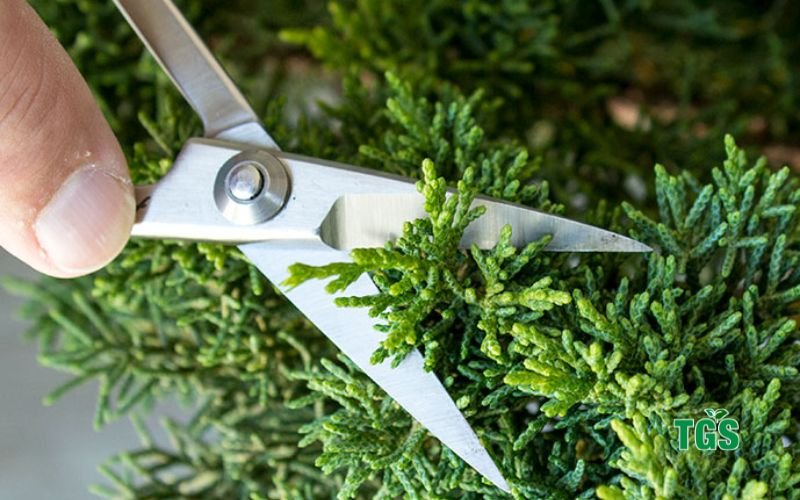
Juniper bonsai trimming maintains your tree in position and healthy. Trim out with sharp bonsai scissors overgrown or uneven branches. Often cut lightly, and do not cause stress on the plant.
Do not trim all the green foliage, and they use their needles for energy. Hands-on pinching of new growth will help in keeping the shape you want.
6. Best Climate for Juniper Bonsai
Juniper trees do well on open and sunny sites. They thrive better in cooler than warm climates and can resist cold winters.
But keep them out of excessive frost and fierce winds. They need at least six to eight hours of full sun per day.
Growing indoors, place them in a window, but move them around to get the light on all sides.
7. Wiring and Styling
The wiring is when you need your bonsai branches to be guided into where you want them to be.
Tie a wire tenderly about branches and bend them gradually into shape. The wiring should be done in the growing season when the branches are still soft. The wire must not be left on very long, or it may cut into the bark. Look frequently and take it off when the shape is fixed.
8. Common Pests and Problems
Juniper bonsai can face insects and pests as spider mites, aphids, and scale insects. Monitor the branches and leaves frequently.
When you realize pests, use insecticidal soap or neem oils to treat them. Possibly, overwatering may lead to root rot, and insufficient light may make the foliage flimsy. Most of the problems are avoided when proper care and observation are followed.
| Problem | Why It Happens | How to Fix the Problem |
| Yellow needles | Adding too much water or soil that doesn’t drain well | Water less often and use a well-draining soil mix |
| Spider mites | The air is too dry and dusty | Mist the tree to raise humidity and use insecticidal soap |
| Fungal blight | Not enough airflow and too much moisture in excess | Trim off affected parts and apply a safe fungicide |
| Winter browning | Cold weather stress | This is a natural response to cold stress; the color returns in spring |
9. Seasonal Care
Juniper bonsai demands slightly different treatment at each change of season.
- During spring, do pruning and feeding.
- The summer requires extra watering and taking care in the heat.
- In the fall, shape the tree and prepare it for winter.
- During winter, retain the bonsai under shelter in order to avoid freezing and treat it with little water.
Seasonal service keeps your tree healthy all year round.
10. Grooming and Cleaning
Bonsai cleaning keeps it healthy and disease-free. Clean up the dead leaves and needles on a periodic basis. Gently dust the foliage with water. Clean the pot without weeds and clutter because weeds take soil nutrients.
This grooming not only beautifies but also helps to maintain your tree strong and healthy.
Hire a TG’s Landscaping Professional for Your Juniper Bonsai Tree!
Bonsai tree care takes patience, skill, and detailed work to maintain a healthy growing plant. At TG’s Landscaping, we are well-versed in planting and maintaining bonsai. Our team is knowledgeable in all the steps, including shaping, cutting, soil care, and watering, needed for healthy growth.
We make custom care plans, which meet the specifications of the tree and the climatic conditions of the place where it’ll grow, so that it can prosper throughout the year. If it’s your first experience with a bonsai, our experts can provide you with the right tree maintenance tips to keep growing and a lasting investment in your garden.
Conclusion
Raising a Juniper bonsai, which is an art and garden experience, is a very fulfilling endeavor. When given the appropriate climate, watering regimen, pruning methods, and all-year-round maintenance, your tree can last decades or more and be transferred as a living generational tree.
With the right direction and guidance, including the use of the right soil mix to pruning your tree carefully, you can have your Juniper bonsai provide a healthy and beautifully shaped tree to give natural elegance to your place. Whether it is your first time with bonsai or you are a horticulturist, you must exercise patience and consistency in order to achieve improved results.
Frequently Asked Questions
1. Which is the best fertilizer to use on a Juniper bonsai?
Spray with a slow-release organic fertilizer once per month or a liquid fertilizer once per week, at the same time during their growing season (spring to early fall). Never fertilize in the winter because the plants grow so slowly in this season.
2. How do I trim and groom a Juniper bonsai?
Trim out new growth with pinching rather than hard cutting, which produces compact foliage. Always leave some foliage on a branch, as junipers do not grow back out of bare wood.
3. What is the right temperature or weather for a Juniper bonsai?
Juniper bonsai are outdoor, all-season growers in full sun. They are tolerant of cold as low as 10°F, although in severe cold, they may need to be covered during the winter, particularly young trees.