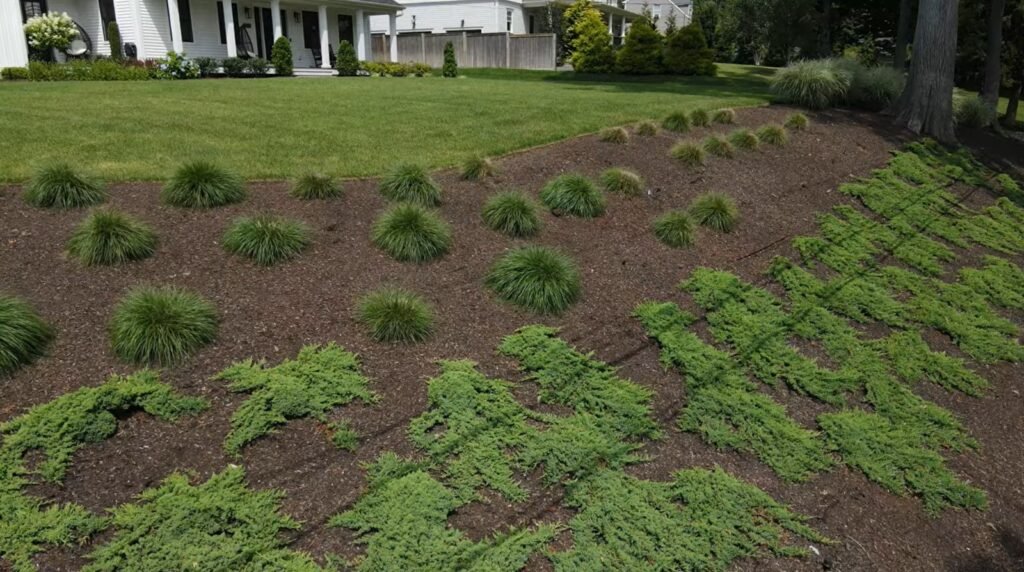
A healthy lawn is a wonderful asset to your property, but a lawn that is brown or discolored could be a sign of a lawn disease. Lawn disease can be attributed to fungi, bacteria, or environmental stress. The pathogens already exist in the soil, and they are opportunistic.
Lawn diseases are common in Connecticut and can be attributed to environmental factors. High temperatures, increased humidity, and the presence of large trees can lead to increased moisture that collects on the grass. Even nighttime watering can cause moisture to collect. With warm air and wet grass, lawn diseases spread quickly. Signs include thin or discolored grass or brown patches.
What are the Signs Your Lawn Has a Disease
If a lawn is dead or dying, you should be able to identify the signs. It is common to see the following signs:
- Red or Pink Threads: Look for small red or pink threads on the grass
- Patches: Look for small patches of dead or brown grass.
- Gray Flecks: Look for small gray or ashy spots on the grass blades.
- Yellow Rings: Target-shaped circles of yellow grass.
- Powdery Coating: Orange or white powdery coatings that dust your shoes.
When Do CT Lawns Get Disease?
Connecticut lawns are at the most risk of disease from late spring to early fall. Weather creates the ideal conditions for disease during this period. The disease pathogens grow in the high humidity of summer and will cause disease. Bacterial growth will flourish in the heat and humidity. Microbial outbreaks on the grass may be the cause of any discoloration during a humid week.
Common Connecticut Lawn Diseases & Their Treatments
Different grass problems need different solutions. We use professional lawn fungal disease treatment to stop these issues before they kill your grass. Here is how we handle the most common issues in our state.
Red Thread Lawn Disease Treatment
Red thread looks like thin pink hairs sticking out of the grass. It usually happens in CT lawns that do not have enough nitrogen. We provide the best treatment for red thread lawn disease by using a mix of high-quality fertilizer and fungicide. This feeds the grass while killing the fungus. Regular feeding is the most effective treatment for red thread lawn disease.
Brown Patch Lawn Disease Treatment
Brown patches show up as large tan circles during the hot summer months. The cause is a fungus called Rhizoctonia. Our lawn treatment for brown patch disease utilizes a systemic fungicide. This medicine goes inside the grass to fight the germ from the inside out. You should not water your lawn in the evening.
Dollar Spot Treatment
Spots the size of a silver dollar are very common in Connecticut during the summer. We use a professional dollar spot lawn disease treatment that includes a contact fungicide. Our experts evaluate the soil condition thoroughly.
Leaf Spot Lawn Disease Treatment
Leaf spot refers to dark colored marks on the grass. It is often purple or brown. These spots are caused by the Helminthosporium fungus. For a successful leaf spot lawn disease treatment, we focus on reducing thatch. This allows the grass to breathe. We also apply a specific fungicide in the early spring to prevent the spots from returning.
Pythium Lawn Disease Treatment
Pythium is a scary disease because it spreads very fast. It loves hot, wet conditions. Many homeowners think they just overwatered, but Pythium can kill a lawn in days. We apply Pythium lawn disease treatment immediately to stop the spread. This specific fungicide works fast to save your remaining grass.
Lawn Rust Disease Treatment
Orange powder in the lawn is a sign of rust. It shows that the lawn lacks nutrients and sunlight. Our lawn rust disease treatment starts with a boost of nitrogen fertilizer. If the rust is very bad, we add a fungicide treatment to clear the blades quickly.
Winter Patch Lawn Disease Treatment
Winter patch causes round dead spots in the lawn. They become visible when the snow melts. Since we have cold winters, this is a common problem. The key is a preventive winter lawn disease treatment in the late fall. We apply medicine before the first snow to protect the grass all winter long.
Our Lawn Disease Treatment Services in Connecticut
At TG’s Landscaping, we treat your lawn like it is our own. We do not just guess what is wrong. We use a professional process to fix your yard. Our team is licensed, insured, and based right here in CT.
Lawn Disease Diagnosis & Inspection
We visit the site before offering a quote. We look closely at your grass and take samples if needed. Our experts identify the exact disease before we start any work. This helps us choose the right medicine and saves you money.
Fungicide Treatment Programs
We offer both curative and preventive programs. If your lawn is already sick, we use curative treatments to stop the damage. We also offer seasonal plans to prevent diseases from ever starting. Our team follows both organic and conventional options.
Lawn Fungal Disease Treatment Methods
We use the best treatment for lawn disease by combining different methods. TG’s Landscaping uses contact fungicides to kill germs on the surface. We use systemic fungicides for long-term protection and cultural practices like core aeration and dethatching to keep your soil healthy. These are the most effective lawn fungal disease treatment methods available today.
Why Choose TG’s Landscaping for Lawn Disease Treatment in CT?
We understand Connecticut’s soil and weather. Our team has years of experience fixing local yards. We offer:
- Licensed Applicators: We know how to use treatments safely.
- CT-Specific Expertise: We understand our local climate and grass types.
- Same-Week Service: We act fast so the disease does not spread.
- Satisfaction Guarantee: We work until your lawn is healthy again.
Lawn Disease Treatment Service Areas Across Connecticut
Looking for lawn disease treatment near Connecticut? TG’s Landscaping serves many towns across our great state, including:
- New Haven
- Hartford
- Waterbury
- Danbury
- Bridgeport
- Stamford
- Norwalk
How Our Lawn Disease Treatment Process Works
We make it easy to get a healthy lawn again. Just follow these four simple steps:
- Free Estimate Call: You call us and tell us about your lawn.
- On-Site Diagnosis: We visit your home to identify the disease.
- Customized Treatment Plan: We create a plan just for your yard.
- Follow-Up & Prevention: We treat the lawn and check back to make sure it stays healthy.
Get a Free Lawn Disease Estimate in Connecticut Today
Do not wait for the disease to kill your entire yard. Act now before the fungus spreads to your neighbors. TG’s Landscaping offers the best lawn disease treatment that works. Call us today for a free diagnosis and a no-obligation estimate. We are your local experts for lawn disease treatment near me.
Frequently Asked Questions
1. What are the signs of a lawn disease or drought stress?
A dull green or brown lawn represents dehydration. Lawn disease signs are weird patterns or patches. They are often pink or orange.
2. How can I cure red thread lawn disease?
Utilize a nitrogen-rich fertilizer and a good fungicide. This increases the grass growth more than its deterioration.
3. What’s the ideal frequency to use a fungicide for a lawn?
It entirely depends on the weather. Use a fungicide every 2-3 weeks in humid summers. Our experts can share a good schedule after checking your lawn.
4. Do lawn diseases move to the nearby yards?
Yes. Winds take the fungus spores and drop them in nearby lawns. Every lawn in the neighborhood should be cared for.
5. What causes brown patches in lawns?
Brown patch shows the presence of a specific type of fungus. It grows on hot and moist nights. This fungus attacks when temperatures are above 65 degrees at night.
6. Can a lawn disease treatment harm my kids and pets?
We use safe treatments to prevent harm to children or pets. Yet, you should wait for the treatment to dry.
7. How long does it take to see results from lawn disease treatment?
Lawn disease treatments need 24 to 48 hours to work. You will notice green and healthy grass within 2 weeks.