Connecticut properties are known for beautiful lawns, but only homeowners know the struggle of grass maintenance and proper setup. Lawn care starts with the selection of grass seed.
Connecticut has cold winters, warm summers, and different soil conditions. You cannot plant any grass species in this climate. So, the right grass seed choice is important here.
Why Does Most Store-Bought Grass Seed Fail in Connecticut?
Bagged grass seeds often fail because they are unsuitable for the local weather, soil, and changing seasons. Most store-bought bags are labeled as “all-purpose lawn seed,” but Connecticut lawns need specific grass types that can withstand local weather.
Another reason is that these bags contain poor-quality seed and fillers. They grow fast, but often lead to a weak and thin lawn later on. Now you can understand how essential the right grass seed is.
The 4 Best Grass Types for Connecticut Lawns
Fine Fescues, Perennial Ryegrass, Kentucky Bluegrass, and Tall Fescue are cool-season grasses. These are suitable grass species for the Connecticut weather. They can handle different seasonal changes and maintain proper growth throughout the year. Should you choose any of the cool-season grasses? No. Keep reading and find out which grass type is suitable for your yard.
| Grass Type | Germination Time | Drought Tolerance | Mowing Height | Soil pH |
| Kentucky Bluegrass | 10 to 30 days | Moderate | 2.5 to 3.5 inches | 6-7.5 |
| Perennial Ryegrass | 5 to 10 days | Low | 1.5 to 2.5 inches | 6-7 |
| Fine Fescues | 7 to 21 days | Moderate to High | 2.5 to 4 inches | 6-6.5 |
| Tall Fescue | 7 to 14 days | Moderate to High | 2 to 3 inches | 5.5-6.5 |
Kentucky Bluegrass
It is a popular grass in Connecticut. Kentucky Bluegrass can make your lawn beautiful and healthy again. But it has long germination days. That’s why it is often mixed with other grass species. It also needs more grass maintenance than other grasses.
Perennial Ryegrass
Perennial Ryegrass has a high growth rate. That’s why it is used with other grass seeds. It has good tolerance for heat and foot traffic. This grass can easily survive in different soil conditions. Perennial Ryegrass is the go-to option if your lawn is not affected by insect issues.
Fine Fescues
Do you have a shade area in your yard? Fine fescues are a great grass option for you then. It grows well in areas with low light and doesn’t require a lot of fertilizer. This grass type is also easy to maintain and suitable to plant in shaded areas.
Tall Fescue
Tall fescue has a strong root system and stays green in all weather conditions. The only issue is that it can sometimes get fungal lawn diseases. Otherwise, it has strong tolerance towards salt and heavy foot traffic.
Which Grass Mix Is Best for Your Yard?
Most Connecticut lawns grow well with a mix of different grass types.
- Kentucky bluegrass and perennial ryegrass mix grow well in clay soil and sun exposure.
- Red fescue is best in sandy soil.
- Fine fescues and tall fescue do well in acidic soil.
- Creeping red and hard fescue mix is suitable for areas that have poor soil and little shade.
How to Read the Seed Bag Label and Avoid Bad Blends?
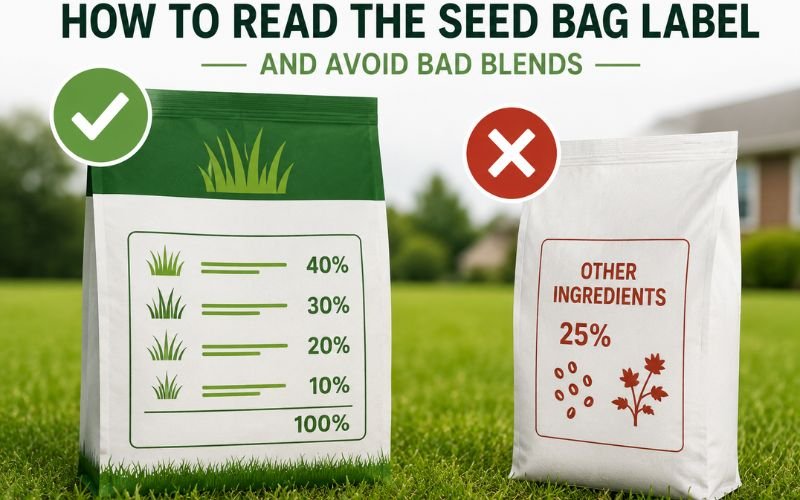
Many people don’t know how to read a seed bag label. Don’t worry; here are a few simple things that can help you understand it.
- Pure Seed Percentage: This shows the real grass seed amount in the bag. Make sure it is 80% or more.
- Germination Rate: It tells about the growth rate of the seed. It should be 85% or more than that.
- Weed Seed Percentage: This shows the weed seed mix with other grass seeds. It must be less than one percent.
- Inert Matter: It means fillers like dust or coating, etc. A small percentage of this matter is acceptable.
What Is Endophyte-Enhanced Seed (and Why It Helps)?
It is a grass seed with a fungus that lives inside the plant. It is safe and gives grass protection from insects, drought, and heat. So these grass seeds grow well and remain healthy all the time.
Best Time to Plant Grass Seed in Connecticut
The suitable time for grass seed planting is the early fall season, especially the months of August and September. The soil is warm during this period and helps in fast seed germination.
Can You Seed in Spring? Risks and Safe Options
Yes, however, it is not the best season to plant cool-season grass seeds. Young grass does not get enough time to develop strong roots before summer. That’s why they struggle when temperatures increase. Fall is the right season and is often recommended for seeding because of cool temperatures.
Simple Steps to Prep Your Soil Before Seeding
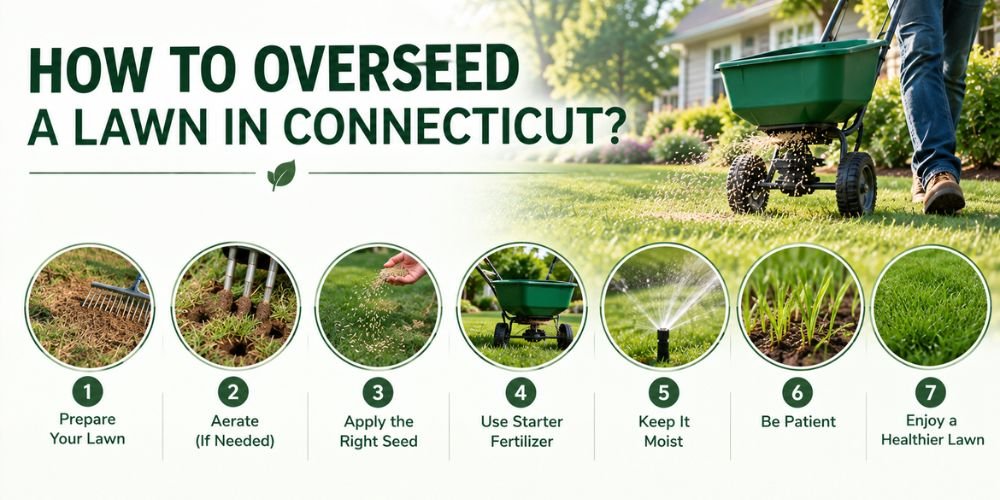
The soil preparation steps for seeding are given below.
- Test soil pH: Send a soil sample to a lab to assess your soil condition.
- Fix compacted soil: Hard soil can affect root growth, so loosen it.
- Add fertilizer: Use a fertilizer during the seeding process. It helps young grass grow strong roots.
- Water regularly: Water the soil daily after seeding. So the soil remains wet and supports fast growth.
Common Grass Seeding Mistakes in Connecticut!
Homeowners often make these mistakes during grass seed installation:
- Planting seeds at the wrong time.
- Ignoring the acidic soil of the yard.
- Using weed control spray before planting
- Improper watering practices
Conclusion
Grass seed selection is the first step towards a healthy lawn. Cool-season grasses are recommended for the Connecticut climate. Try to use them in a mixed form for better results. However, if you want more guidance on grass seed and planting, contact TG’s Landscaping. We provide dependable lawn care, tree care, and hardscaping services in your area.
FAQs
- What is the best grass seed for Connecticut lawns?
Tall fescue and perennial ryegrass are both reliable choices for a Connecticut lawn. - When do I plant grass seed in Connecticut?
The fall season is the right time to plant grass seed. - Is Kentucky bluegrass good for Connecticut?
Yes. But it requires regular watering and fertilization for maintenance. - Which grass can grow well in shade?
Fine fescue grows well in shaded areas. - Can I plant grass seed in the spring in Connecticut?
Yes, but it can affect root development and plant growth. So plant your grass seeds in the fall season. - Which grass type requires less maintenance?
Fine fescue. It needs less fertilizer and can easily grow in dry weather. - Does Tall Fescue work well in Connecticut?
Yes. Tall fescue is a reliable grass option for lawns with heavy foot traffic. It also grows quickly and stays healthy all the time. - How do I know if grass seed is good quality?
Check the seed bag label. If it has pure seed and a germination rate of more than eighty percent, it is of good quality.