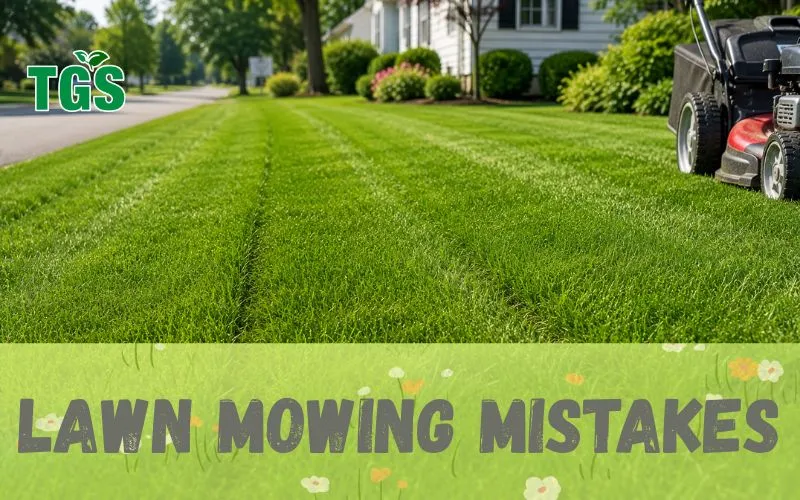
Do you want a beautiful green lawn? Perhaps you spend time looking after the lawn, but still, it’s full of brown patches. The big problem often comes down to how you cut it. Bad mowing habits like rushing your cuts or using dull blades destroy your grass every single week. Let’s also cover some lawn mowing tips for homeowners!
1. Cutting Grass Too Short
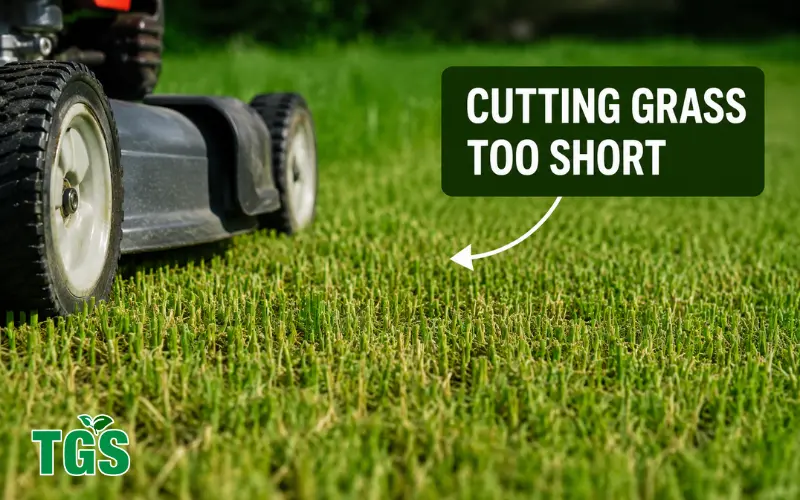
What Is Lawn Scalping and Why Is It Bad?
Lawn scalping is cutting the top surface of the grass. This bad move exposes the delicate base of the plant to the hot sun. Short grass cannot make its own food because it lacks enough green blade surface.
Lawn scalping is harmful because:
- Stops roots from growing deeper
- Let’s weed seeds take over.
- Evaporates the soil moisture
One-Third Mowing Rule
You should know about the one-third mowing rule to keep your grass safe. Do not cut more than one-third of the total grass height in the first phase.
Correct Grass Height Table by Type!
| Grass Type | Best Growing Height (Inches) | Max Height Before Cutting (Inches) |
| Tall Fescue | 2.5 to 3.5 | 4.5 |
| Kentucky Bluegrass | 2.0 to 3.0 | 4.0 |
| Fine Fescue | 2.5 to 3.5 | 4.5 |
Pro Tip: Did you scalp your lawn during hot Connecticut summer days? Raise your mower deck and water the lawn.
2. Mowing Wet Grass After Rain
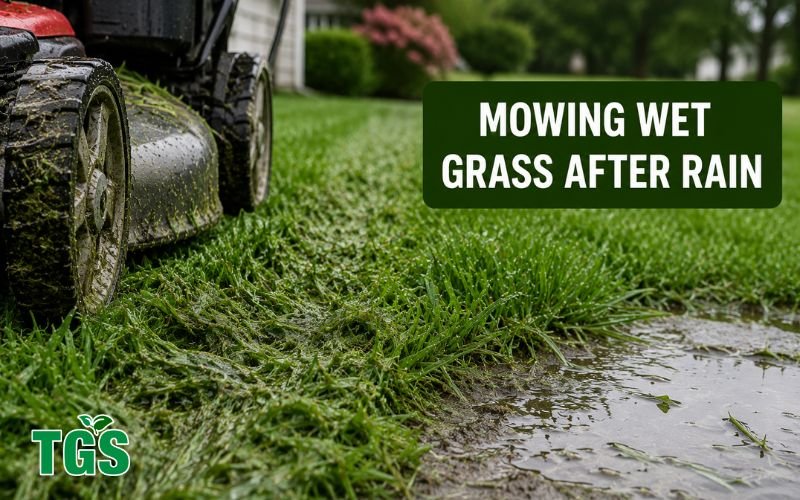
What Wet Mowing Does to Your Turfgrass?
Wet blades clump together inside your machine and block the exit chute. This puts heavy strain on your engine. These messy clumps drop onto your yard and stimulate bad lawn diseases.
How Long to Wait After Rain Before Mowing?
You have to wait for a minimum of 12 to 24 hours after heavy rain. This makes mowing easier and better. The grass can dry out quickly after a light rain.
Signs Your Grass Is Dry
- Shoes stay dry when you walk in the yard
- Grass is straight instead of bending
- Water drops do not stick to the blades.
Pro Tip: May and June bring heavy rain that ruins your plans. Do not force a mow when the ground feels like mud. Wait for the sun.
3. Mowing in Peak Heat Hours
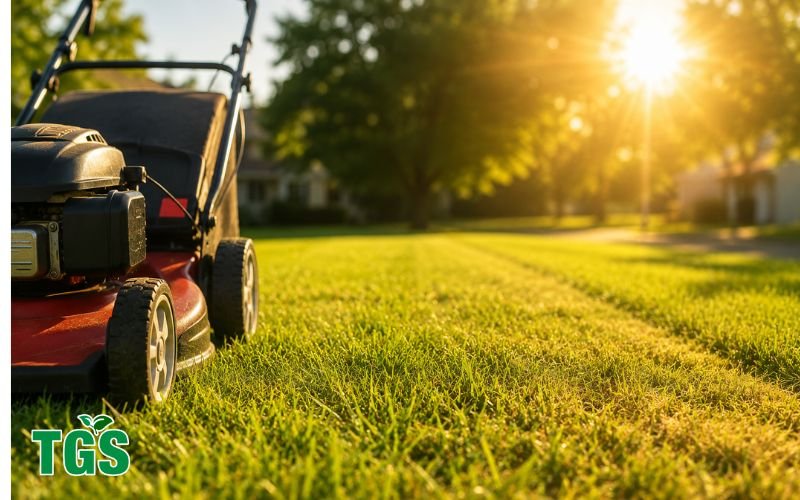
People often cut their grass when it’s too hot. The wounds on the new cuts allow fast evaporation of water. The grass becomes brown. The best time to mow a lawn is early morning and evening whether it is Summer or Spring.
Quick Tip: Mow the lawn somewhere around the afternoon in spring and early morning in summer.
4. Mowing in the Same Path
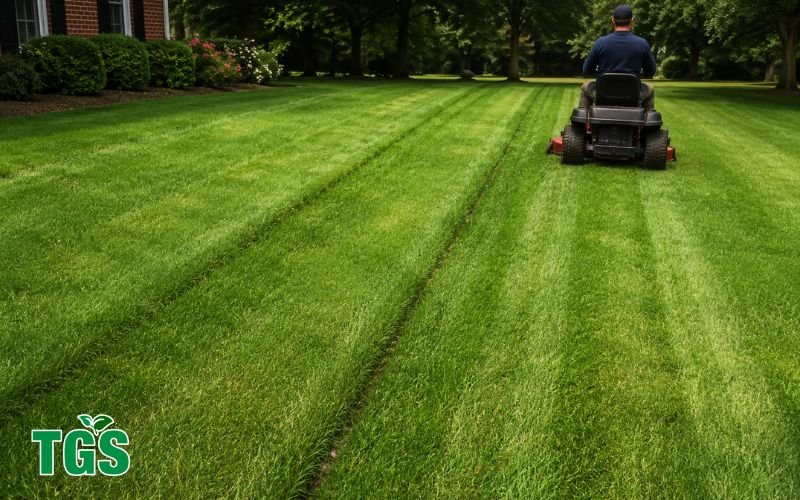
Repeated Pattern Causes Soil Compaction
Mower wheels crush the grass if you do it in the same direction always. This squishes the soil and leaves ugly ruts. Compaction presses the soil and prevents the entry of water and air into the roots. Your grass will also start leaning sideways.
3 Mowing Patterns for Healthy Lawn
Try these three simple ideas:
- The Stripe Pattern: Mow in straight rows from north to south one week.
- The Diagonal Pattern: Cut across your yard at a sharp angle the next week.
- The Checkerboard Pattern: Run your mower east to west to make a grid that hides old wheel tracks.
Tip: Change your direction every single week.
5. Mowing Frequency in Connecticut
It depends on how fast your grass grows. You should mow every four days if the grass grows fast. When dry summer weather hits, you can wait ten days. Cool-Season Grass Mowing Frequency by Month:
- April: Every 7 to 10 days
- May: Every 4 to 6 days
- June: Every 5 to 7 days
- July & August: Every 7 to 12 days
- September: Every 5 to 7 days
- October to November: Every 7 to 14 days
What if You Skip Mowing?
The grass becomes yellow if it’s too long because the bottom part does not get sunlight. If you chop down tall grass all at once, you expose this weak yellow growth. You will shock the roots, which leaves your yard open to bugs.
6. Skipping Mowing Line Overlaps
If you do not overlap your wheels with your last pass, you leave thin strips of uncut grass behind you. People call these hidden strips Mohawk lines. They look terrible a day later.
The Right Overlap Width for a Clean Cut
- Flat ground: Overlap your last pass by 2 to 3 inches
- Hills and slopes: Increase overlap to 4 or 5 inches
- Tip: Keep your inside tire on the border of your last track.
7. How Speed Affects Cut Quality and Grass Health
Rushing across your yard makes your mower blade tear and rip the grass. High speeds leave a messy look. Ripped grass blades have frayed edges, and the whole yard looks dull.
Ideal Mowing Speed
- Push mowers: 2-3 miles per hour
- Riding mowers: 4 miles per hour
- Thick areas: Very slow movement
8. Using Dull Mower Blades
A dull blade removes the tops of your grass. After you mow, take a close look at the tips. The blade needs sharpening if you see white, shredded ends.
How Often to Sharpen Mower Blades?
People sharpen their blades twice a year, but a better rule of thumb is every 25 hours of use. Check it more if your yard has rocks or thick roots.
DIY Blade Sharpening vs. Hiring a Pro
You can easily sharpen the blades yourself with a hand file or a grinder. But you absolutely have to balance the blade. If you skip that step, the blade wobbles. That can ruin your machine over time.
Signs Your Blade Needs Help Right Now
- The tips of your grass look shredded or brown.
- Your mower leaves random patches of tall grass behind.
- The machine shakes and vibrates hard while running.
- You see big chips or dents along the sharp edge of the blade.
9. Never Cleaning the Mower Deck
Grass Buildup Causes Overheating. Wet grass sticks to the bottom of your mower and becomes a hard crust. The crust stops the air from moving inside the deck. The damp crust also traps rust against the metal frame.
Step-by-Step Mower Deck Cleaning Guide
- Remove the spark plug wire.
- Turn the mower on its side with the air filter up.
- Use a plastic knife to scrape the hard grass.
- Wash away the dirt with a hose.
- Dry the metal completely.
Maintenance Tip: Scrape your mower deck right after you accidentally cut damp grass because the moisture keeps the crust soft.
10. Ignoring Full Mower Maintenance
Maintenance Checklist for the Mower
- Drain out the black oil and put in fresh oil.
- Put in a clean filter so your engine breathes easily.
- Install a new spark plug.
- Clean the fuel so it does not clog your engine parts.
- Oil the moving parts and height levers so they slide.
When to Call a Professional for Mower Servicing?
You have to call a pro if your mower releases thick blue smoke. Some other signs are oil drops and failure of the mower.
11. Using the Wrong Mower Size
- Use a push mower for less than half an acre. It’s easy to maneuver around garden beds, and honestly, the exercise isn’t bad either.
- A riding mower is worth every penny over half an acre. You won’t be tired by the time you’re done.
Gas vs. Electric Mowers for Connecticut Homeowners
Electric mowers work great for small town lots because they run quietly and do not need oil changes. Gas mowers are easier to use on thick and damp grass.
Mulching Mowers and Bagging Mowers
- Mulching blades: Cut the grass into tiny bits that go back into the soil.
- Bagging systems: Collect everything, which keeps the lawn looking clean, but steals natural food from your soil.
12. Collecting the Cut Grass
It means leaving the cut grass on the lawn. If you follow the one-third rule, these tiny pieces fall into the soil and break down fast. Grass clippings consist mostly of water and contain excellent nutrients like nitrogen. Leaving them in your yard feeds your soil for free.
Stat Box: Grasscycling reduces your yearly fertilizer needs by up to 25%. This saves you serious money on lawn store products every year.
When You Should Actually Bag Clippings?
- When you see lawn diseases like brown spots.
- When the grass grows way too tall.
Lawn Mowing Mistakes Specific to Connecticut Homeowners
Mowing Cool-Season Grasses in Zone 6b
Connecticut sits right in Zone 6b. A big local mistake is cutting your grass the same way all year long. You must change your cutting heights to match these changing local growth cycles.
Connecticut Spring Cleanup Mowing Errors to Avoid
Many local homeowners rush out in April and scalp their lawns to clear away winter leaves. This is a bad idea. It exposes cold spring soil to the sun. Use a rake to clear the winter mess, and keep your mower at 2.5 inches for your first spring cut.
How Fall Mowing Mistakes Lead to Winter Lawn Damage
Leaving your grass tall in November is a huge error. Long grass falls over under heavy snow and traps moisture against the ground. This brings a terrible winter fungus. Lower your mower by half an inch for your final two cuts of the year.
How Trumbull’s Climate Affects Your Mowing Routine?
Trumbull features sticky, humid summers and very wet winters. Our air brings heavy morning humidity that keeps yards wet until late morning.
How Poor Mowing Damages Trumbull Lawns Long-Term?
Bad habits weaken our local lawns over time. Crabgrass and dandelions can grow. Weak turf also dies fast during dry summer spells. If you want a great-looking yard without the headaches, TG’s Landscaping is available.
We also work in nearby towns, such as Fairfield, Easton, Shelton, Southport, Stamford, and Westport. Owner TJ Golino runs a fully insured operation with honest pricing. We have a 4.8 Google rating that speaks of our service.
FAQs
- What is the most common lawn mowing mistake?
Cutting grass too short. People do this often because they want to skip mowing. But it completely wrecks your grass. - How short is too short when cutting grass?
Don’t ever go under 2 inches. Never cut off more than a third of the blade at one time. That’s the most important rule for lawn mowing. - Can mowing wet grass cause disease?
Yes. Wet clippings stick together and pile up in your yard. That heavy, wet mat sits on your lawn and breeds nasty diseases fast. - What is the one-third rule for lawn mowing?
It’s simple. Never cut more than a third of the grass height in one go. It doesn’t matter how long it’s been while you were busy. This can shock the grass. - How often should I sharpen my mower blades?
Twice a season works for most people. Or you can do it after about 25 hours of use. A sharp blade cuts perfectly clean. A dull one just tears the grass and leaves your yard looking rough. - Is it better to bag or mulch grass clippings?
Mulching is the better option. The clippings break down fast and feed your soil for free. This is a good way to give natural nutrients to your land. - What is the best time to mow a lawn?
Get out there between 8:00 AM and 10:00 AM. The morning dew is gone by then, so things won’t clog. The sun isn’t brutal yet either. It’s the ultimate sweet spot for your lawn and for you. - How to fix a scalped lawn?
Increase the mower height. Then water the yard deeply in the early morning. After that, just leave it alone. People make things worse by hovering. You have to wait at this stage. - Does mowing in the same direction damage the lawn?
Yes. It packs down the soil and wears deep grooves into your dirt. The grass even starts leaning instead of growing straight up. Switch your path every single time you go out. - When should I stop mowing in Connecticut for winter?
Late November is usually right for most people here. You should stop when the lawn freezes and the grass stops growing. Leave it at around 2 to 2.5 inches so it stays safe.