Key Points
- Garden winterization protects your lawn, soil, and plants in winter.
- Your garden gets ready for spring with proper care.
- Adequate watering and drainage protect against damage.
- Seasonal landscaping keeps pests away.
When the weather gets colder, your yard feels it. Grass slows down, and plants rest. Trees shed their leaves. The care you provide impacts the strength of your garden. Winterization adds security for your soil, roots, and plants during the harsh months of cold.
Many people skip this step. They assume their yard can wait until spring. That’s a mistake. Neglecting the frost and cold can scorch your plants. Soil can dry out. Roots can freeze. Taking the time to winterize will save all of that hard work and time when the weather warms up.
Why is Winterization Important in Connecticut?
Cold weather can be rough. It alters the way soil retains water and freezes plant roots. It has the power to shatter flower beds and sap grass. When snow melts, water collects. Plants might die, and grass could get patchy. It’s better to act early. Winterization gives your outdoor area a bit of a head start.
Winter care is also an important factor in pest management. Bugs can grow in fallen leaves or dry grass. Cleaning up before winter eliminates their hiding places. The cleaner, the better for fewer pests in spring.
Landscaping Tips for Winter in Connecticut!
These seasonal landscaping tips will help you get the job done with ease:
- Don’t keep leaves that have fallen on the grass around for long.
- There is no ground frost when the soil is damp.
- Mulch to shield soil and roots.
- If deer or frost are a concern, wrap young trees.
- Store tools clean and dry.
How to Winterize Your Garden in Trumbull?
1. Clean the Yard
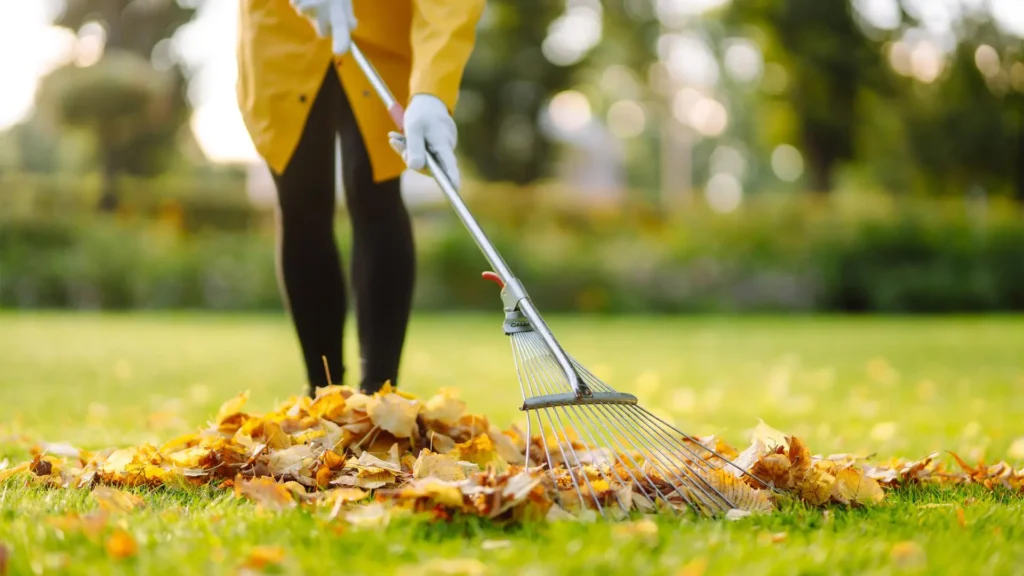
Cleaning is the most essential part. You have to pick up all the dead branches and leaves lying in your yard. Pick up fallen leaves because these are prone to collecting moisture and bugs. Diseases may also be present in dead plants. Check out your grass for bare spots. This demands extra time, but it’s worth every second.
2. Add Fertilizer
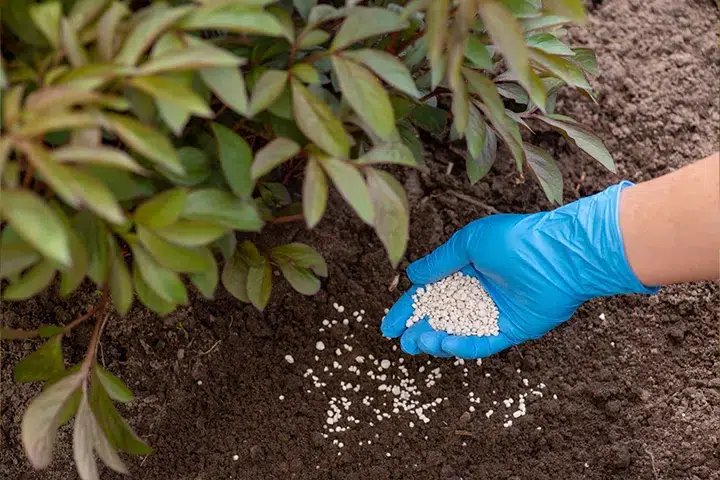
Grass still has to eat in the cold. Feed once the first frost has passed with a slow-release fertilizer. It supports the roots and reserves energy for spring growth.
A winter fertilizer is heavier on potassium. This makes the grass more resistant to disease and cold. Spread it out and water gently. Strong roots can hold up better under snow.
Don’t skip this step. Winter lawn care tips include fertilizing before winter. No question, fertilizing pre-winter is also one of the best winter lawn care tips you can follow. You will notice a huge difference when that ground thaws.
3. Mow Before the First Frost
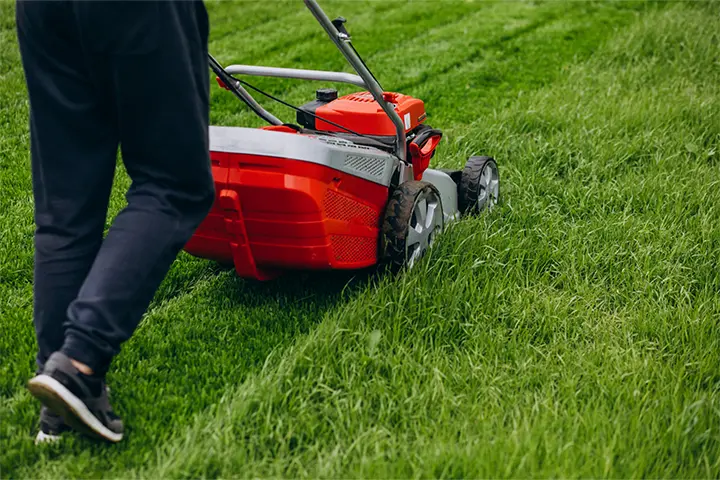
Get the last mow in before it gets cold. Ideally, it is about two inches tall. It must be short enough so that it won’t get matted down, but long enough to protect the roots. Long grass can catch and trap moisture.
Work with a sharp mower blade for a clean cut. Dull blades shred the grass and create brown tips that can leave the lawn vulnerable going into winter.
Once you’ve finished mowing, gather up clippings or debris to clear the way for breathing grass. This easy step helps to keep your yard looking neat and pretty.
4. Aerate the Soil
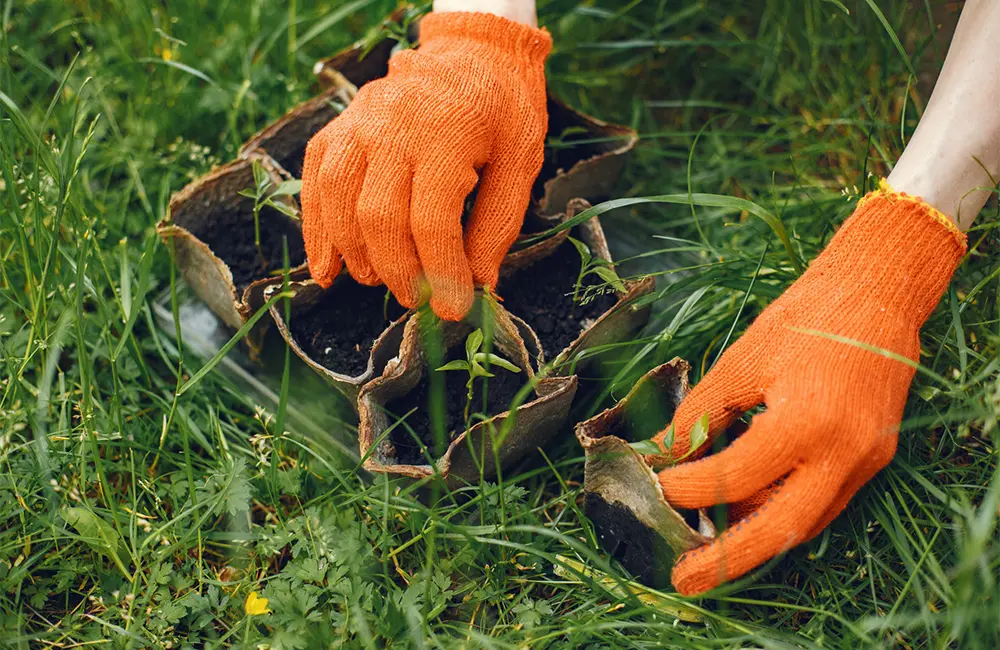
Late autumn is the best time of year for aerating the soil. Aeration refers to punching small holes in the soil. This is paramount as it makes it easier for water and nutrients to get to the root system. In the summer season, people often walk in gardens. The soil becomes hard and compact.
Aeration means that the grass can easily absorb fertilizer and moisture. You can get either a manual aerator or select one that’s motorized. Big lawns need powered aerators. If some patches on your lawn have thin grass, focus on this area.
5. Don’t Skip Watering
People assume there’s no need to water. But plants require moisture before the soil freezes. Water deeply one more time before winter begins.
Wet ground retains more heat than dry ground. It protects the roots from freezing up. This means the moisture can penetrate before nightfall.
6. Protect Your Tools and Hoses
Your garden tools require care, too. Drain and store your hoses. Water in there can freeze and make cracks. Clean your tools before storing them. Rust is also prevented by a quick rinse and dry. Keep them somewhere dry to preserve them as long as possible.
You should also clean and put away your mower. If you store gasoline in your equipment, use a stabilizer. When spring comes, you can start without having to wait.
7. Mulching
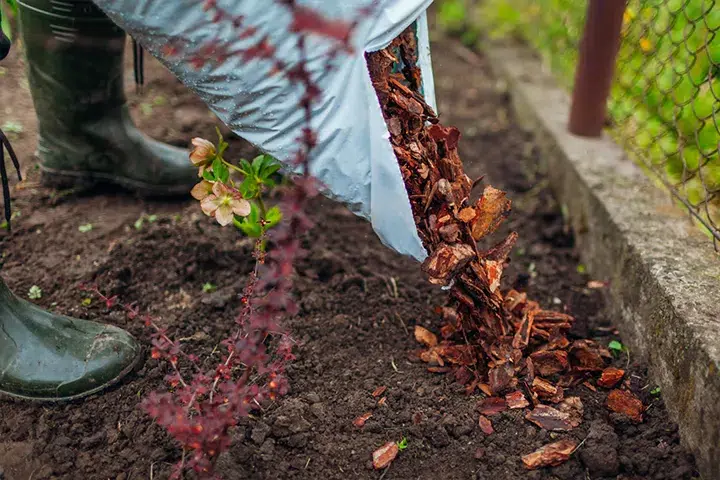
Concentrate on your garden beds. Remove old plants. Then mulch it or cover it with straw. This will help prevent soil erosion and block cold air. Mulch helps maintain above-freezing temperatures in the soil to minimize freezing of roots. It also helps keep soil moist. This is one of the ways to winterize a garden successfully.
8. Lawn Edges and Borders
You should trim the edges near the flower beds. Clean between stones or bricks. Cover the plant pots or bring them inside. Pots can crack when they freeze. You may also want to set wooden boards or mats near paths in the garden. This will prevent the soil from packing down under snow or foot traffic.
9. Plan for Spring Early
Winter is a time to plan. Consider what you have to plant next. Create a sketch of your garden. Notice what grew well this year and what didn’t.
Planning early saves time later. You can order seeds, sharpen tools, and set goals. It’s easier to go if you’re ready for spring planting.
10. Keep an Eye on Snow
Snow can both help and harm. A little snow acts as insulation for them. It keeps plants from getting bitten and prevents ice from freezing too hard into the ground. But heavy snow is capable of breaking branches. You should remove the snow from shrubs. This is possible with a broom. Do not apply salt near flower beds.
Hire TG’s Landscaping for a Beautiful Yard in Connecticut!
If you’re busy or not sure, leave it to experts. Proper winterization requires both knowledge and care. TG’s Landscaping can help you if you are in Connecticut. Our experts in the field know how to care for your yard all year round.
Our team takes care of your lawn’s needs, including cleaning, soil care, trimming and insulation. We ensure your property stays tidy all winter and becomes bright in the spring.
Let TG’s Landscaping handle the maintenance of your outdoor space, so that you can have a carefree winter and a beautiful spring. Call us today to book your lawn and garden winterization.
FAQs
1. What is lawn and garden winterization?
Winterization prepares the lawn before the cold season comes. It includes cleaning, fertilizing, and trimming, and a lot more.
2. When should I winterize my garden?
Start winterizing in late fall, while hard frost is still a few weeks out. It provides you with time to fertilize and add your mulch.
3. Why is pre-winter watering important?
Irrigating before the freeze is a way to insulate roots against severe cold and frost damage.